
Witchbrook Similar Games: What Players Can Try
Witchbrook similar games share cozy life-sim, magic-school, social, or online co-op ideas. Compare confirmed themes without treating fan guesses as official.
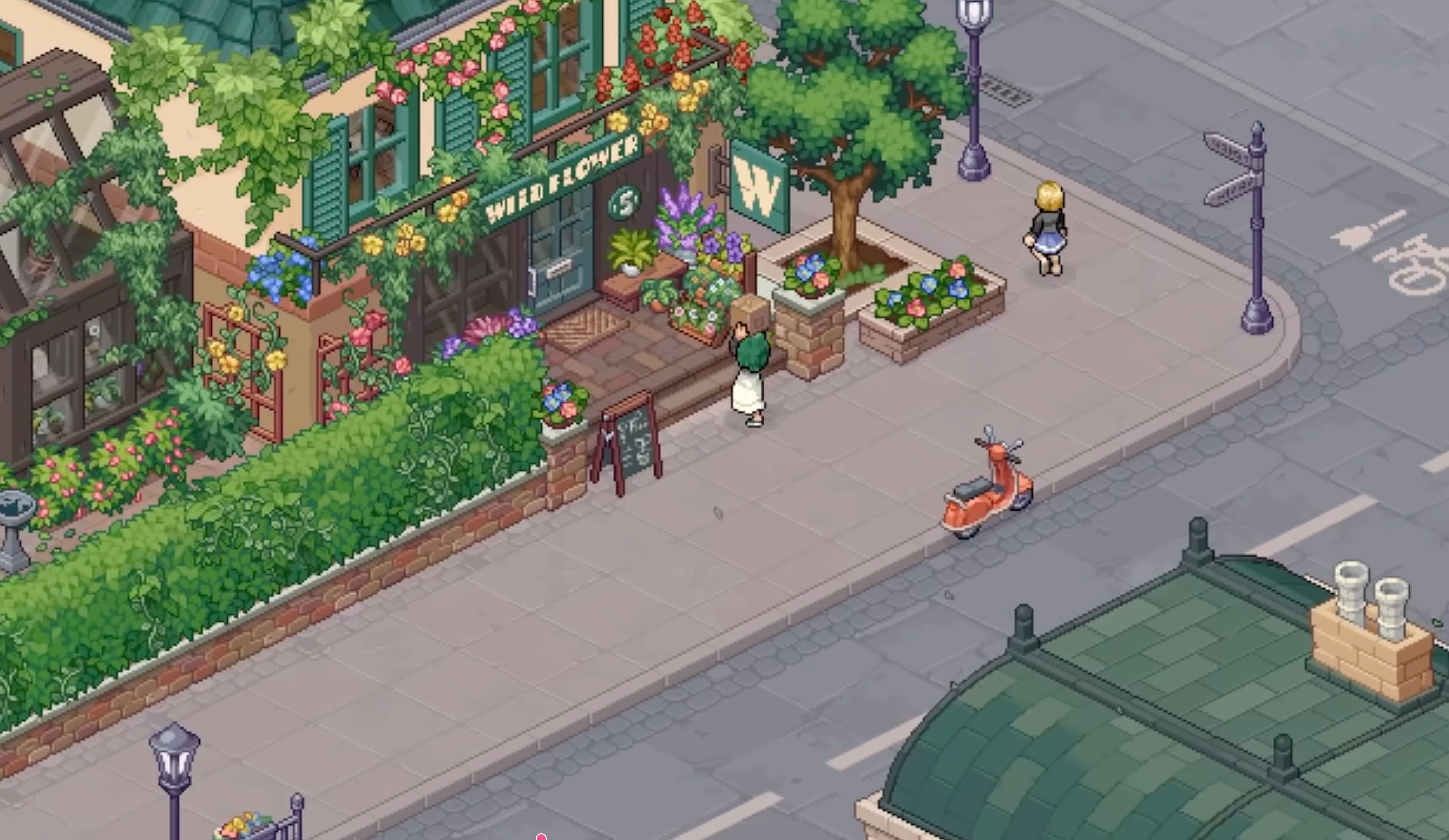
What games are similar to Witchbrook?
The most useful Witchbrook similar games comparison starts with its documented mix of life simulation, social RPG systems, magic classes, cottage customization, and online co-op. Search and video discussions often compare the concept with Stardew Valley and with wizard-school or cozy life-simulation games. Those comparisons describe a shared mood or feature, not an official replacement list.
Witchbrook itself is still unreleased, so no comparison can claim that another game has the same final systems. The practical way to choose a similar game is to identify which part of Witchbrook attracts you: school progression, social stories, magical crafting, home decoration, or relaxed co-op.
If you want a life-sim routine
Witchbrook’s official gameplay loop includes classes, assignments, exams, a business, gardening, cooking, seasonal events, shopping, festivals, relationships, and a changing town schedule. That places it in the broader life-simulation conversation. Games with daily routines, town residents, seasonal activities, and customizable homes may feel familiar even when their settings differ.
The materials do not establish a definitive list of matching titles or a feature-by-feature ranking. A recommendation page can mention a candidate only after checking its current systems independently. Specific release status, platform support, and multiplayer details for alternative games are not yet confirmed on this Witchbrook page.
If you want a magic-school setting
Witchbrook’s distinctive premise is attending Witchbrook College in Mossport. Official posts describe Alchemy, Herbal Tea, Salves, Potions, Astrological Divination, Tarot, Arcane Arts, exams, practical magic, and a broom. Players who primarily want classes, spells, and campus relationships should compare other magic-school titles on those dimensions.
A magic setting alone does not mean another game has Witchbrook’s academic loop. The Witchbrook sources do not promise combat, a fixed quest structure, or a particular wizarding franchise connection. Comparisons to other magic games should therefore avoid claiming identical mechanics.
If you want relationships and social stories
The Dating on Campus blog confirms 11 romanceable characters, six named so far, plus friendship routes for players who do not want to date. Gifts, dates, cards, story arcs, daily schedules, and dynamic cutscenes are all part of the official social preview.
A similar game for this audience is one with recurring NPC routines and relationship stories, not simply a game with dialogue. The full Witchbrook romance roster and final relationship rules remain not yet confirmed, so no alternative can be declared a perfect match before Witchbrook launches.
If you want co-op and home building
Steam confirms online co-op for up to four players. The cottage blog describes expanded multiplayer land, individual spaces and gardens, and shared furniture editing. Friends can also explore Mossport, race brooms, work on spellcraft, and hang out.
Those are the strongest multiplayer comparison points. Couch co-op, crossplay, and cross-save are not confirmed for Witchbrook, so a recommendation based on those features needs separate verification. Do not infer that any game with “co-op” in its store tags supports the same four-player or housing setup.
How to use the comparison safely
Treat “similar games” as a player-choice page rather than a factual equivalence claim. Start from the confirmed Witchbrook pillars, then check each alternative’s current store page for its own genre, platform, price, and multiplayer rules. The exact games, prices, availability, and final Witchbrook feature parity are not yet confirmed when not supported by the collected sources.
Sources
- Witchbrook official FAQ — official premise and planned platform context.
- Life at Witchbrook — classes, spells, town life, and practical magic.
- Dating on Campus — relationships and romance.
- Witchbrook on Steam — life-sim, social, customization, and online co-op features.
Related Articles
comparisons
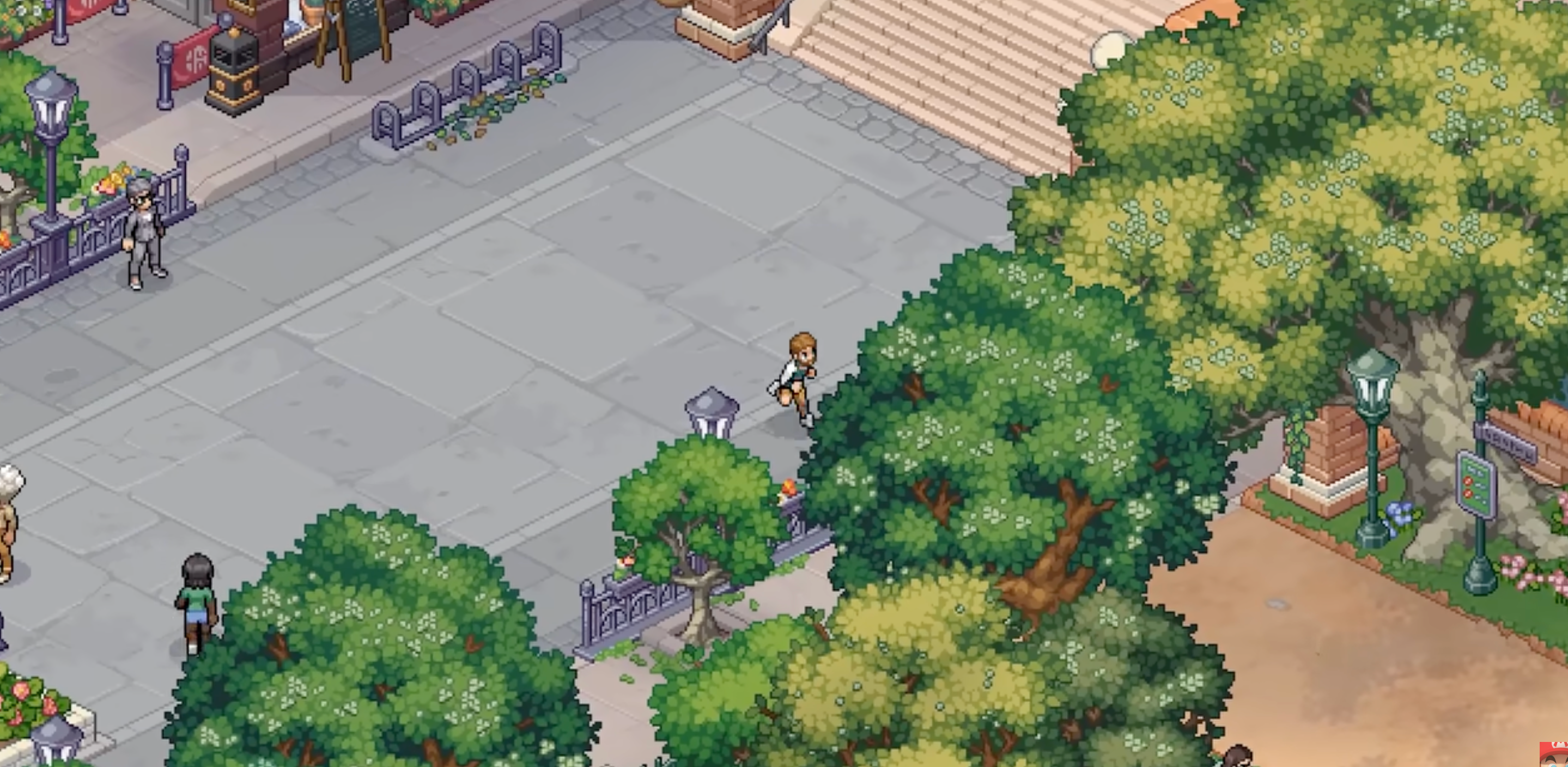
Witchbrook Genre: Life Sim and Social RPG Explained
Witchbrook genre is officially described as a richly detailed life sim and social RPG, with Steam also listing RPG, Simulation, Indie, and co-op tags.
comparisons
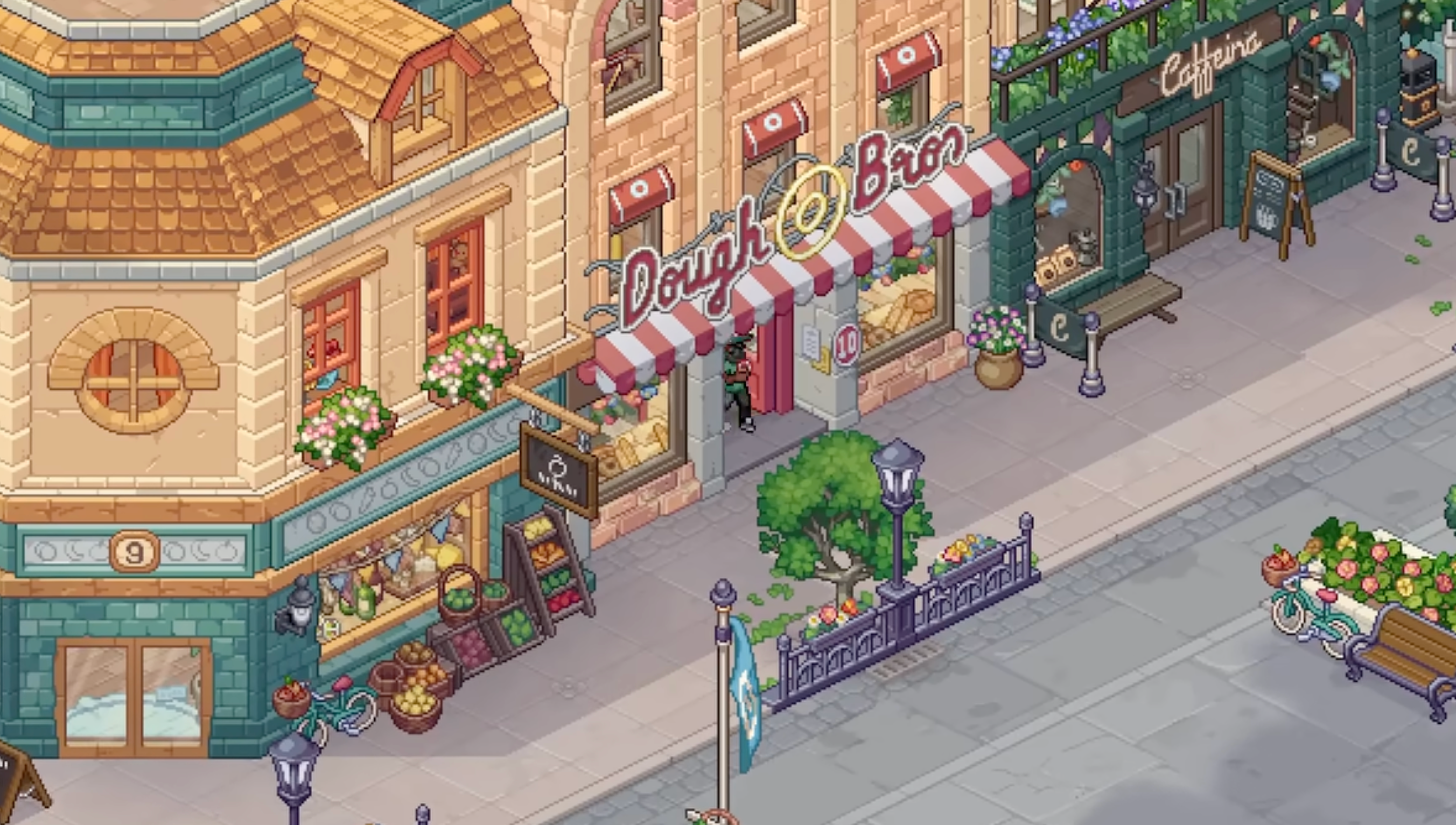
Witchbrook vs Stardew Valley: Key Differences
Witchbrook vs Stardew Valley is a comparison between a magic college life sim and a farming-focused life sim. Here are the supported differences and unknowns.
guides
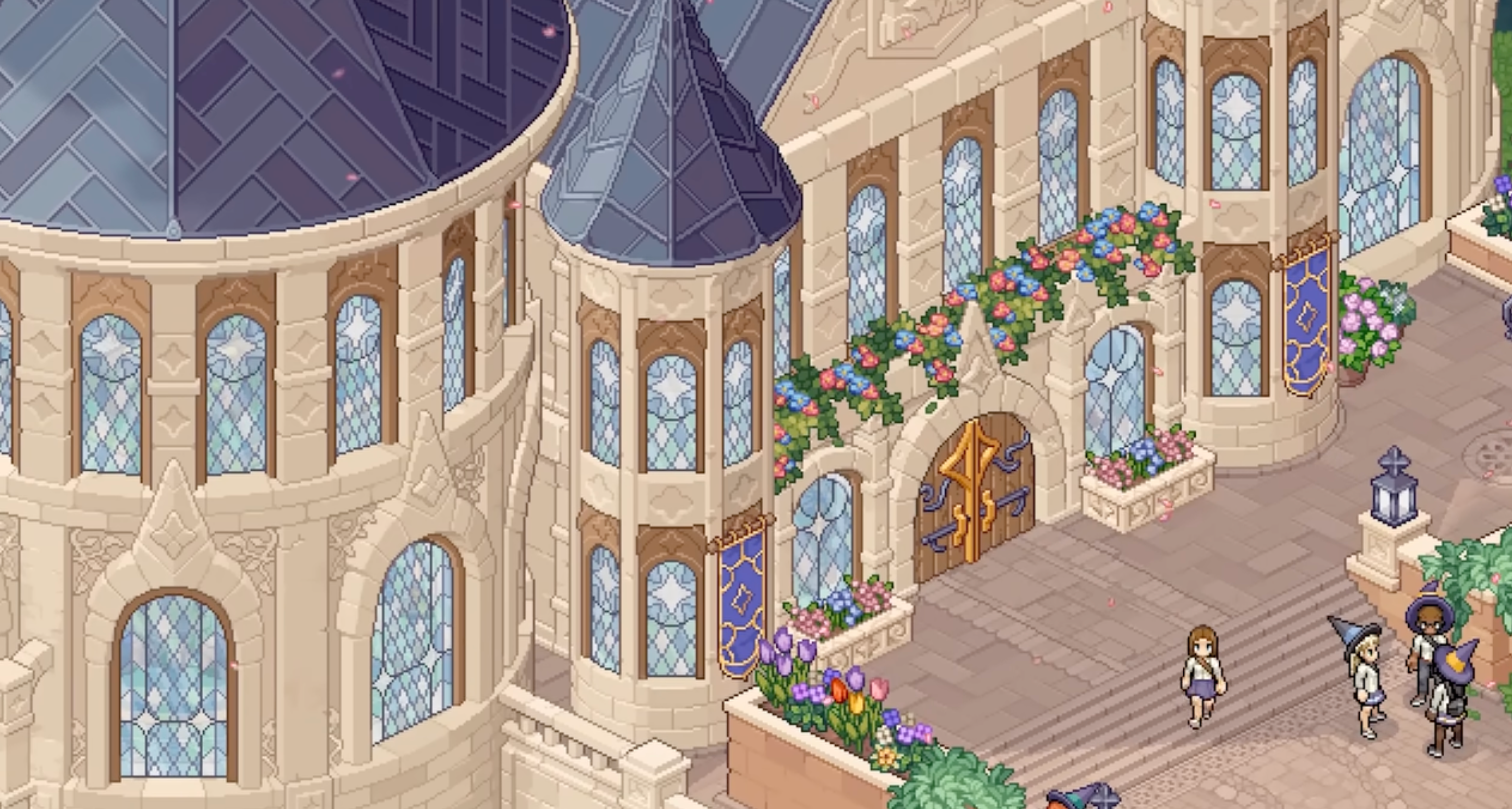
Witchbrook Gameplay: Classes, Spells and Daily Life
Witchbrook gameplay combines college classes, assignments, exams, practical magic, business, cottage life, social stories, and free-time activities in Mossport.
Was this helpful?
Thanks for the feedback!